The evolution of gambling through the ages A historical perspective
The evolution of gambling through the ages A historical perspective
Contents
The Origins of Gambling
The roots of gambling can be traced back to ancient civilizations, where games of chance were a fundamental part of social life. Evidence from archaeological sites reveals that the earliest forms of gambling date back over 5,000 years, with the discovery of dice in Mesopotamia. These rudimentary games not only served as entertainment but also held spiritual significance, often intertwined with rituals and religious practices. The act of casting lots for divine favor illustrates the deep cultural connections that gambling has had throughout history. For those interested in modern options, platforms like казино Жетон provide a range of gaming experiences.

In ancient China, gambling took on various forms, from betting on games to playing simple tile-based games resembling modern-day Mahjong. Chinese records indicate that as early as 2300 BCE, players engaged in games that required luck and strategy. This evolution not only highlights the human penchant for risk-taking but also emphasizes the social aspect of gambling, as communities gathered to participate in these activities. Similarly, in ancient Rome, gambling was prevalent among both the elite and common people, further demonstrating the universality of this pastime across cultures.
As societies progressed, so did the complexity of gambling activities. The introduction of gaming houses and organized betting laid the foundation for what would evolve into modern gambling establishments. This shift reflected broader societal changes, such as urbanization and economic growth, allowing for an increase in leisure activities. By understanding these early forms of gambling, we can appreciate the cultural and historical significance that has shaped the industry we know today.
The Growth of Gambling Through the Middle Ages
The Middle Ages marked a significant turning point in gambling history, particularly in Europe. During this period, gambling became closely associated with the nobility, with card games gaining popularity among the upper classes. The invention of playing cards in the 14th century further popularized gambling, offering new avenues for chance and strategy. Tournaments and gambling games were often held at royal courts, providing entertainment while also serving as a means of socializing among the elite.
However, the Church’s stance on gambling during this time was complex. While it was often condemned as immoral, various forms of gambling persisted, and authorities struggled to regulate it effectively. Prohibitions against betting did not eliminate the practice; instead, they led to underground games and clandestine gambling houses. This duality showcased how gambling was simultaneously revered and reviled, paving the way for a more nuanced understanding of its role in society.
The rise of gambling during the Middle Ages also gave birth to new games and betting systems. The establishment of lotteries, both public and private, became a popular means for raising funds for civic projects and local communities. These developments highlighted the relationship between gambling and economic growth, as communities increasingly relied on the proceeds from these activities. As a result, gambling evolved into a multifaceted institution that would continue to transform in the centuries to follow.
The Modernization of Gambling in the 19th Century
The 19th century was a period of significant transformation for gambling, largely driven by industrialization and urbanization. The establishment of casinos in Europe and later in America changed the landscape of gambling, moving it from informal gatherings to structured establishments. Notably, the first legal casino opened in 1863 in Monte Carlo, setting a precedent for modern gambling destinations. These casinos not only provided a variety of gaming options but also catered to the burgeoning middle class seeking leisure activities.
This era also witnessed the invention of many casino games that remain popular today, including roulette and blackjack. The allure of these games attracted individuals from various walks of life, creating a vibrant social scene around gambling. This phenomenon led to the standardization of rules and regulations, as operators sought to establish credibility and safety for their patrons. The rise of reputable establishments marked a shift towards a more organized approach to gambling, contributing to the industry’s growth.
The global spread of gambling during this time was also facilitated by colonial expansion. European powers introduced gambling practices to their colonies, leading to the establishment of casinos in diverse regions, from the Caribbean to Asia. This expansion not only diversified the types of games available but also reflected the complex interplay between culture and gambling. The evolution of gambling practices in the 19th century laid the groundwork for the modern gaming landscape, influencing regulations and practices that continue to this day.
The Digital Revolution and Online Gambling
The late 20th and early 21st centuries ushered in the digital revolution, fundamentally transforming the gambling industry. The advent of the internet allowed for the emergence of online casinos, providing players with access to a vast array of games from the comfort of their homes. This shift democratized gambling, making it accessible to a global audience. The convenience of online platforms also led to innovations such as live dealer games, which replicate the casino experience in a virtual environment.
The online gambling industry has seen exponential growth, driven by technological advancements and changing consumer preferences. The integration of mobile technology has further expanded access, enabling players to gamble on-the-go through smartphones and tablets. This rapid evolution has not only altered how games are played but has also impacted the regulatory landscape, as governments worldwide grapple with how to oversee online gambling activities effectively.
However, the digital age has also raised concerns about responsible gambling practices. With easy access to betting and the potential for addiction, online casinos and platforms are increasingly focusing on promoting safe gambling behaviors. Measures such as self-exclusion tools, deposit limits, and awareness campaigns are now integral to many online gaming sites, ensuring that the industry prioritizes player well-being amidst its growth.
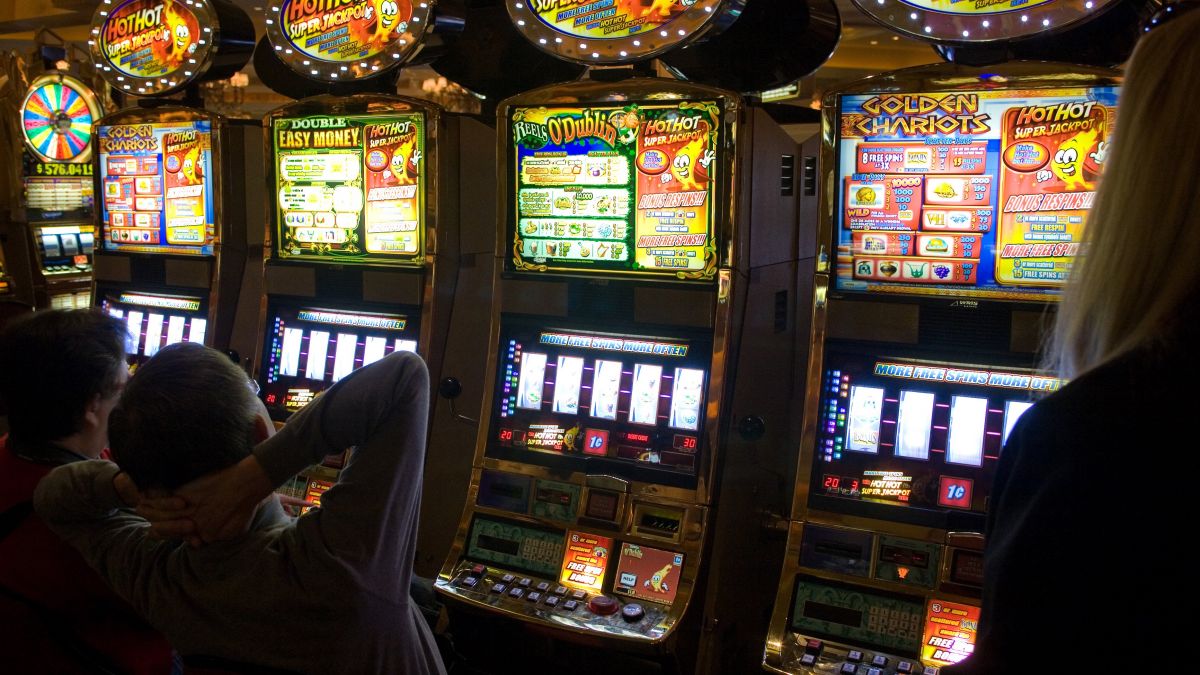
JetTon Games: A Modern Gambling Experience
JetTon Games stands at the forefront of the modern online gambling landscape, providing an expansive selection of gaming options tailored for players worldwide. With a commitment to delivering a comprehensive and engaging experience, JetTon offers everything from classic slots to live dealer games, ensuring that there is something for everyone. The platform’s user-friendly interface makes navigating through its offerings seamless, enhancing the overall gaming experience.
One of JetTon’s key features is its dedication to player security and responsible gambling. By utilizing advanced encryption technology, players can trust that their personal information and transactions are safe. Moreover, JetTon actively promotes responsible gaming practices by providing resources and tools to help players maintain control over their gambling activities. This commitment to safety and responsibility is integral to fostering a positive gaming environment.
With its generous welcome bonuses and a variety of payment options, including support for cryptocurrencies, JetTon Games is positioned as a leading online casino that combines innovation with tradition. As gambling continues to evolve, JetTon remains dedicated to providing a secure, enjoyable, and responsible gaming experience that meets the needs of a diverse player base.
